Gum Disease in Ravet - Epitome Dental Care

Home | Gum Disease

Gum Disease (Periodontal Treatment)

Gum disease, also known as gingivitis or periodontitis, is a common dental condition caused by plaque buildup around the gums. If left untreated, it can lead to swollen gums, bleeding, bad breath, gum recession, and even tooth loss. Early diagnosis and timely treatment help restore gum health and prevent long-term complications.

What We Do in Gum Disease Treatment (Detailed & Descriptive)

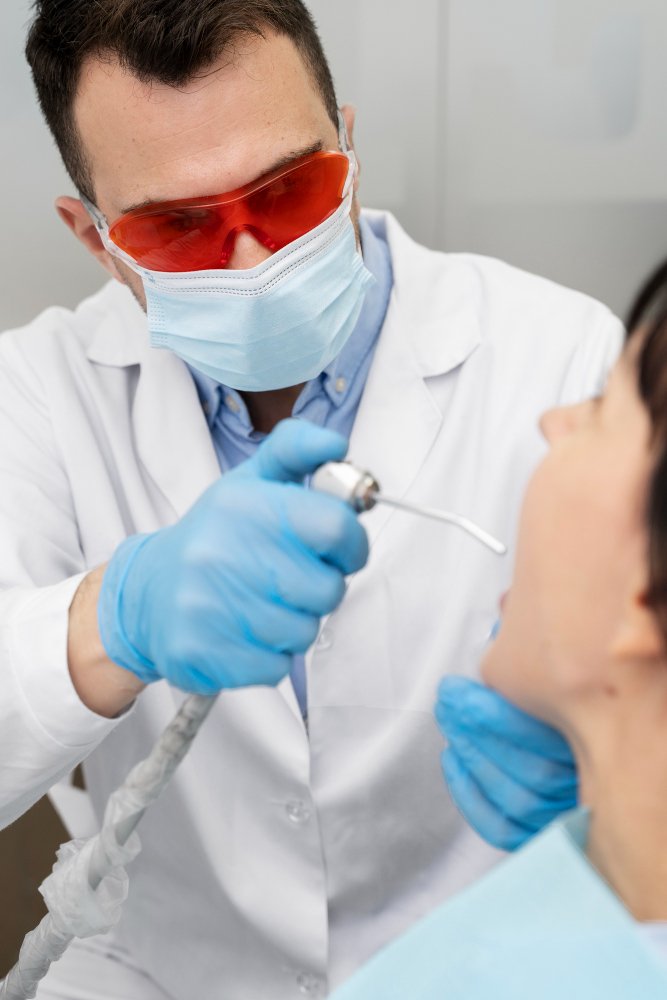
Our clinic provides advanced and gentle periodontal care to treat gum infections, control inflammation, and restore gum strength. We focus on both preventive and deep cleaning solutions to ensure long-lasting gum health.

Epitome Dental Care Dental Clinic

Steps Involved in Gum Disease Treatment

1. Gum Examination & Diagnosis

Assessment of gum pockets, bleeding level, and plaque buildup

Dental X-rays to check bone health (if required)

2. Professional Cleaning (Scaling)

To ensure a painless experience, the area around the tooth is numbed for your comfort.

Reduces gum inflammation and bleeding

3. Root Planing (Deep Cleaning)

Smooths the root surfaces to remove bacteria

Helps gums reattach to the teeth

Essential for moderate to severe gum infection

4. Medication or Antimicrobial Treatment

Localized antibiotic gels or mouth rinses

Helps control bacterial growth and speed up healing

Frequently Asked Questions (FAQ)

Red, swollen, bleeding gums, persistent bad breath, and gum tenderness are early indicators of gum disease.
Yes, gingivitis (early stage) is reversible with professional cleaning and good oral hygiene. Periodontitis (advanced stage) can be controlled but needs ongoing care.

Scaling and root planing are usually painless. Local anesthesia is used for deep cleaning to ensure comfort.

Basic cleaning takes 30–40 minutes, while deep cleaning may be done in one or two sessions depending on severity.

Yes, if untreated, it can damage the bone supporting your teeth and lead to tooth mobility or tooth loss.

Brush twice daily, floss regularly, use antibacterial mouthwash, and visit the dentist every 6 months for cleaning.