Root Canal Treatment (RCT) - Epitome Dental Care

Home | Root Canal Treatment

Save your natural tooth, relieve pain, and restore your smile.

A Root Canal Treatment is a highly effective procedure used to treat severe tooth pain caused by infection or deep decay. Instead of removing the tooth, RCT helps clean the infected area, protect the tooth from further damage, and retain your natural tooth structure.

What is a Root Canal Treatment?

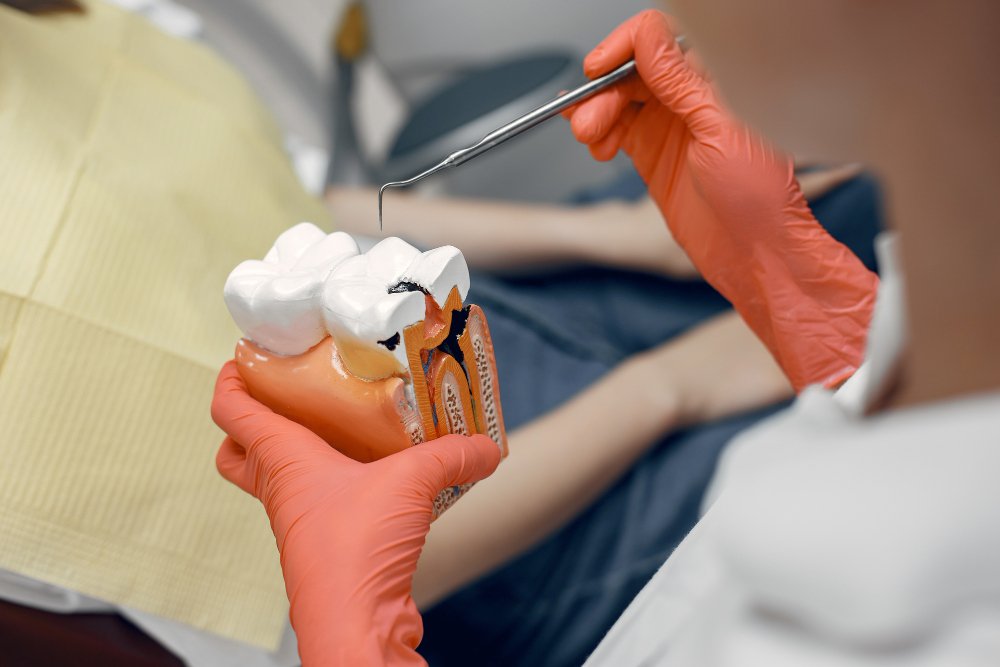
A Root Canal is a dental procedure that removes infected or damaged pulp from inside the tooth. The pulp is cleaned, disinfected, shaped, and then filled with a safe dental material to restore the tooth’s strength.

Benefits of Root Canal Treatment

  • Relieves pain & discomfort
  • Saves your natural tooth
  • Prevents the spread of infection
  • Restores chewing and biting ability
  • Improves long-term oral health
  • Cost-effective compared to extraction + replacement

🕒 Duration of Treatment

  • Usually completed in 30–60 minutes per sitting.
  • Full restoration (with crown) may take 2–3 visits.
Epitome Dental Care Dental Clinic

How the Procedure Works

A Root Canal is typically done in 1–2 sittings, depending on the severity of infection.

Examination & X-Ray – To analyze the infected tooth.

Local Anesthesia – Ensures a completely pain-free procedure.

Cleaning the Infection – Removal of infected pulp using advanced rotary tools.

Filling & Sealing – The canal is disinfected and filled with a biocompatible material.

Crown Placement – A dental cap is placed to protect the tooth and restore full function.

Frequently Asked Questions (FAQ)

No. With modern anesthesia and techniques, the procedure is almost painless. Most patients feel relief after treatment.
Usually 1–2 sittings. If infection is severe, it may take an additional visit.

Yes, a crown is recommended to protect the treated tooth and prevent it from breaking.

With proper care and a crown, it can last for many years—often a lifetime.

Severe toothache, swelling, sensitivity to hot/cold, deep decay, cracked tooth, or pain while chewing.

Rare, but possible if the crown is delayed or oral hygiene is poor. Regular check-ups help prevent this.